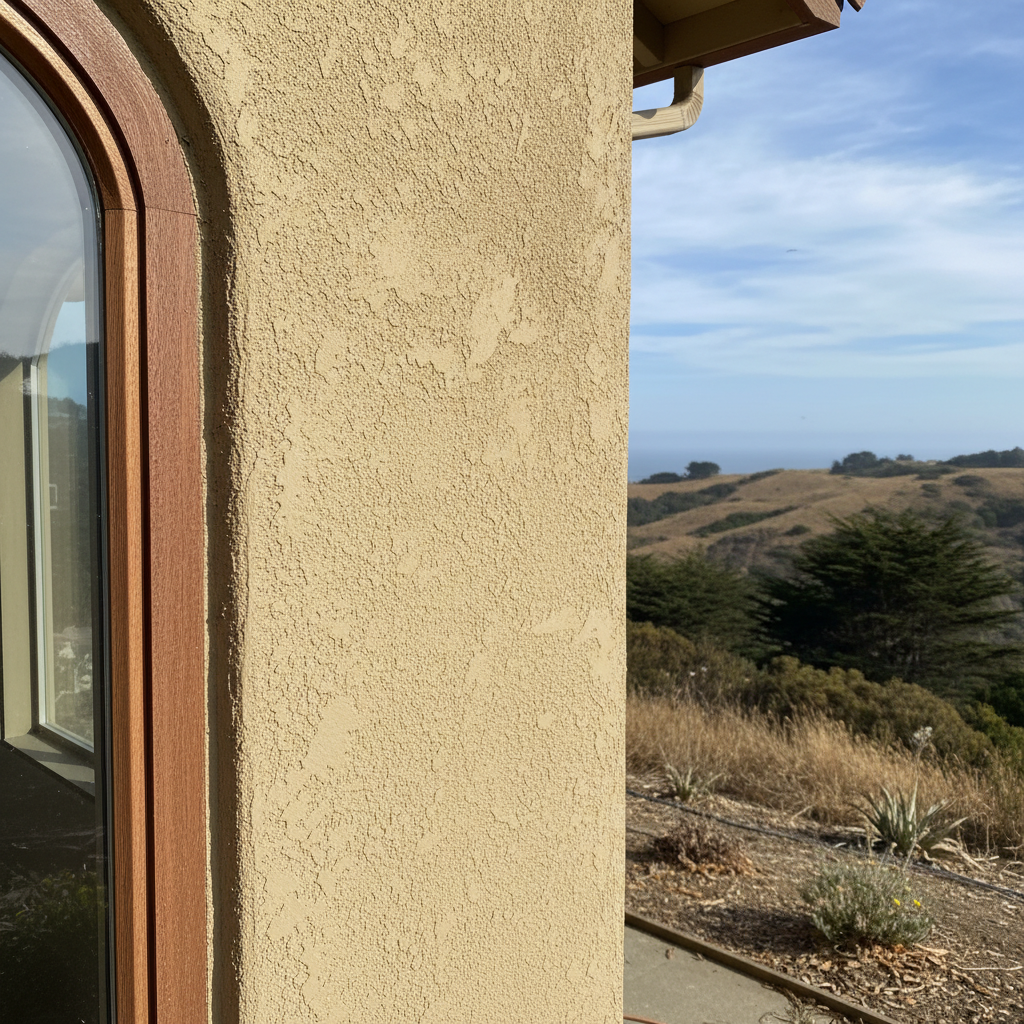
Painting Your Pacifica Stucco: What You Need to Know
So, you're looking at your stucco home here in Pacifica and thinking, "Hey, a fresh coat of paint might be just what the doctor ordered." And you'd be right! A new paint job really can change how your place looks, keep it protected, and even bump up its value. But hold on a second before you grab that roller and a bucket. There are some things you absolutely need to get straight about painting stucco, especially with our coastal weather and those foggy mornings we all know so well.
Before You Even Think About Paint
First things first: you can't just slap paint over old, dirty, or damaged stucco. Seriously, that's a recipe for disaster. The paint won't stick right, it'll peel off, and you'll be doing this whole thing again way sooner than you'd like. You've got to do your prep work. This is probably the most important step, and it's where a lot of homeowners either nail it or really mess things up.
- Clean It Up: Your stucco has to be spotless. I mean, we're talking power washing to get rid of every bit of dirt, grime, mildew, and any loose paint. Just be careful with that pressure washer, okay? Too much pressure can actually damage the stucco itself, especially if it's older or already a bit fragile. Start gentle, then slowly increase the pressure if you need to.
- Repair Any Damage: This isn't optional. Cracks, holes, spalling – they all need fixing before you even think about painting. If you paint over a crack, guess what? That crack is still there. It'll just show right through your new paint, or worse, let water sneak in behind it. Got small hairline cracks? You might be able to fill those with an elastomeric caulk made for stucco. Bigger cracks or areas where the stucco is flaking off? That's a more serious repair. If you're not comfortable patching stucco yourself, this is definitely the time to call someone like us at Majestic Stucco Inc. We see a lot of homes in places like Sharp Park, and proper crack repair is crucial for stopping bigger problems down the line.
- Address Efflorescence: See any white, powdery stuff on your stucco? That's efflorescence, which is basically mineral salts coming to the surface. You'll need to brush it off, then clean the area with a mild acid solution (like vinegar and water works well) to neutralize it. Rinse it really well afterward.
- Primer is Your Friend: Once everything's clean, dry, and repaired, you need to prime. Don't skip this step. A good quality acrylic or masonry primer will help the paint stick better, give you a nice even surface, and keep any old stains from bleeding through.
Choosing the Right Paint
This isn't like painting an interior wall, not by a long shot. Stucco needs paint that can breathe. You want something that's 100% acrylic latex, specifically made for masonry or stucco. These paints are flexible, durable, and they let moisture vapor escape from inside the wall. That's super important for stopping issues like blistering and peeling, especially with all the moisture we get around here. Don't go cheap on the paint, either. A quality paint will last longer and just look better.
The Painting Process: DIY or Pro?
Okay, so you've done all the prep work. Now for the actual painting. Can you do this yourself?
- DIY Friendly: If your stucco is in pretty good shape, the repairs were minor, and you're comfortable with ladders and power equipment, painting a single-story home or an easily accessible section might be doable. You'll need good quality rollers (with a thick nap for those textured surfaces), brushes for trim, and maybe an airless sprayer to speed things up. If you use a sprayer, make sure you know how to back-roll to push the paint right into the texture.
- When to Call a Pro: This is where I'd say most folks in Pacifica should really think about bringing in a professional.
- Extensive Repairs: If your stucco has serious cracking, delamination, or water damage, you need a stucco repair specialist first. Painting over those problems is just a waste of time and money.
- Tall Homes or Complex Architecture: Two-story homes, houses with lots of architectural details, or areas that are tough to reach are dangerous and a real challenge for DIYers. Pros have the right gear (scaffolding, lifts) and the experience to do it safely and get it done right.
- Time and Skill: Painting stucco properly takes time and a certain level of skill, no two ways about it. If you don't have either, or you're worried about how the finish will turn out, a professional painter will give you a much better, more consistent result. They'll also usually carry insurance, which is a big deal if something goes wrong.
- Warranty: Professional painters often back their work with warranties, which can certainly give you some peace of mind.
Look, I'm all for homeowners tackling projects they're capable of. It saves money and, let's be honest, gives you a real sense of accomplishment. But with stucco painting, especially the prep work and making sure you get a durable finish, there's a point where the cost of doing it wrong just outweighs the savings of doing it yourself. If you're unsure about any step, or if your home needs more than just a simple clean and paint, don't hesitate to get a few quotes from local, reputable contractors. It's an investment in your home, and you want it done right, don't you?