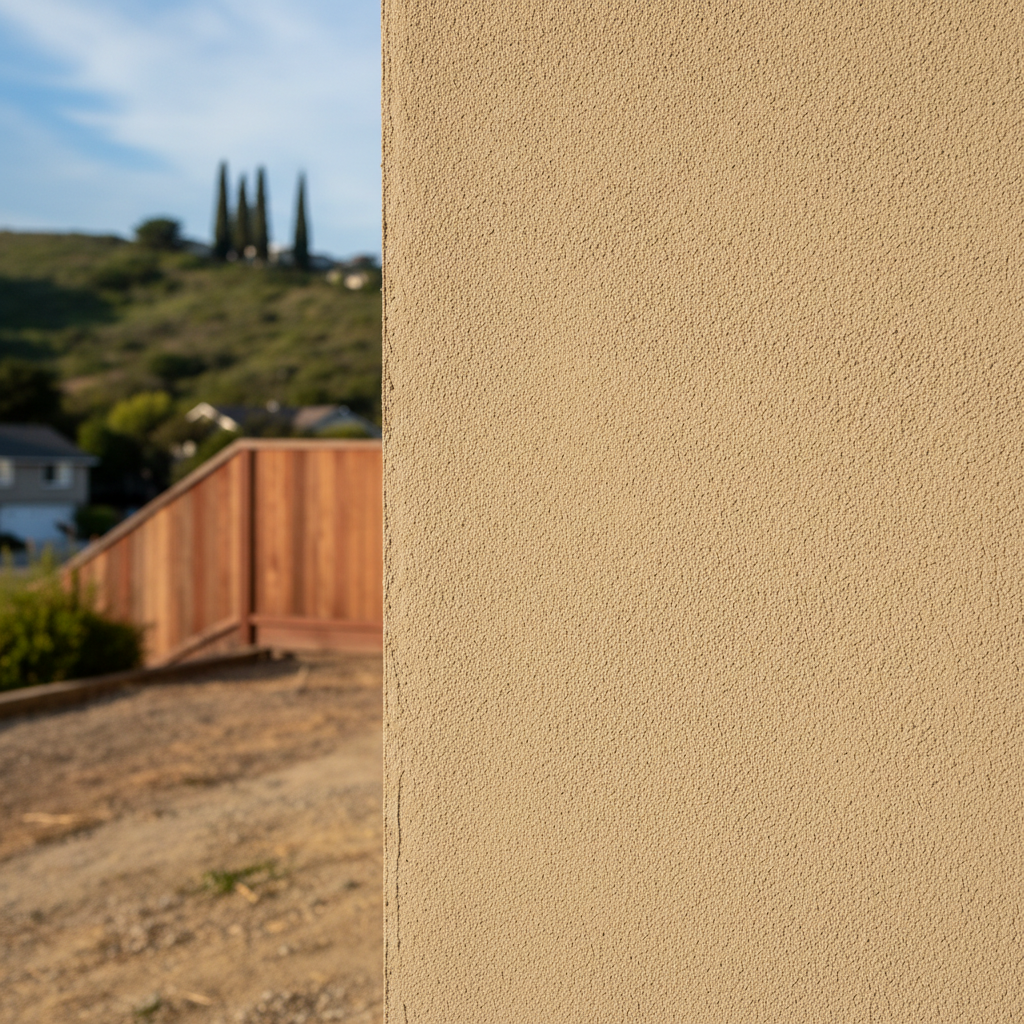
Stucco's a great material for our homes here in Pacifica, but like anything else, it needs a little TLC sometimes. I get a lot of the same questions from folks around town when they're dealing with cracks or damage. So, I figured I'd lay out the answers to the most common ones right here. No fancy talk, just what you need to know.
What's causing these cracks in my stucco?
This is probably the number one question I get, honestly. Cracks in stucco can happen for a few reasons, and it's not always a sign of disaster. Minor hairline cracks, especially around windows and doors, are often just settlement cracks. Your house settles a bit over time, and the stucco moves with it. These are usually cosmetic, nothing to lose sleep over.
Then you've got stress cracks. These are a bit wider and might be due to structural movement, like foundation issues, or even just framing lumber shrinking and expanding. If you see cracks wider than a credit card, or they're running diagonally from corners of openings, it's definitely worth getting them checked out. Another common cause, especially in our coastal climate with its damp air and temperature swings, is moisture getting in. Water sneaks behind the stucco, freezes, expands, and pushes the stucco out. Or it just sits there, causing rot in the sheathing, which then leads to stucco failure. Not good.
Can I just patch small cracks myself?
You can, but you need to do it right, or you're just kicking the can down the road. For very small, hairline cracks – I'm talking thinner than a dime – you can use a good quality elastomeric caulk designed for stucco. Clean the area thoroughly first. For anything larger, or if you're just not sure, I really recommend calling a professional. The biggest mistake I see homeowners make is using the wrong material or not properly preparing the surface. You end up with a patch that doesn't match the texture or color, or worse, it doesn't actually seal the crack, and water still gets in. We've seen plenty of DIY jobs that end up costing more to fix properly later, unfortunately.
How much does stucco repair typically cost in Pacifica?
This is the million-dollar question, and honestly, it varies a lot. It's like asking how much a car repair costs without knowing if it's a flat tire or an engine rebuild. Small, cosmetic patches might be a few hundred bucks. If we're talking about extensive damage, like water intrusion that's rotted out sheathing and framing, or if a large section needs to be removed and re-applied, you're looking at thousands. The cost depends on the size of the area, the complexity of the damage, the type of stucco finish we need to match, and accessibility. For example, repairing stucco on a second story or a tricky corner in a West Sharp Park home will naturally cost more than a simple ground-level patch.
My best advice? Get a detailed estimate. At Majestic Stucco Inc, we always break down what we're doing, why we're doing it, and what materials we'll use. Transparency is key.
How long does stucco repair usually take?
Again, it depends on the scope. A small patch job might be done in a day or two, including drying time for the materials. Larger projects, especially those involving water damage remediation, can take several days or even a week or more. There are multiple layers to stucco – scratch coat, brown coat, finish coat – and each needs proper drying time. You can't rush it, especially with our cooler, often foggy mornings here. Trying to speed up drying can compromise the integrity of the repair, and that's not something you want.
Will the repaired stucco perfectly match my existing stucco?
Achieving a perfect, invisible match is the goal, but it's not always 100% guaranteed, especially on older homes. Stucco fades over time due to sun exposure, weather, and general aging. Even if we use the exact same color and texture, the new patch might look a little different initially. It usually blends in better over a few months as it weathers. We take samples, mix custom colors, and do test patches to get as close as possible. A good stucco repair company, like Majestic Stucco Inc, will have experienced craftsmen who are skilled at blending and texturing to minimize the visual difference.
What's the difference between stucco repair and stucco remediation?
This is an important distinction. Stucco repair is typically addressing surface-level issues – fixing cracks, patching small holes, or re-applying a finish coat in a localized area. It's usually about maintaining the existing system and fixing minor damage.
Stucco remediation, on the other hand, is a much more involved process. It means there's a deeper problem, usually significant water intrusion that's compromised the underlying structure. This often involves removing large sections of stucco, repairing or replacing damaged sheathing, framing, and insulation, addressing flashing issues, and then re-applying the stucco system from scratch. Remediation is a bigger, more expensive project, but it's essential when the integrity of your home is at stake. If you've got persistent leaks, mold, or large areas of soft or crumbling stucco, you're likely looking at remediation, not just a simple repair.
Don't ignore stucco problems. They rarely get better on their own, and usually just get more expensive to fix the longer you wait. If you're seeing issues, give us a call. We're here to help you figure out what's going on and get it fixed right.