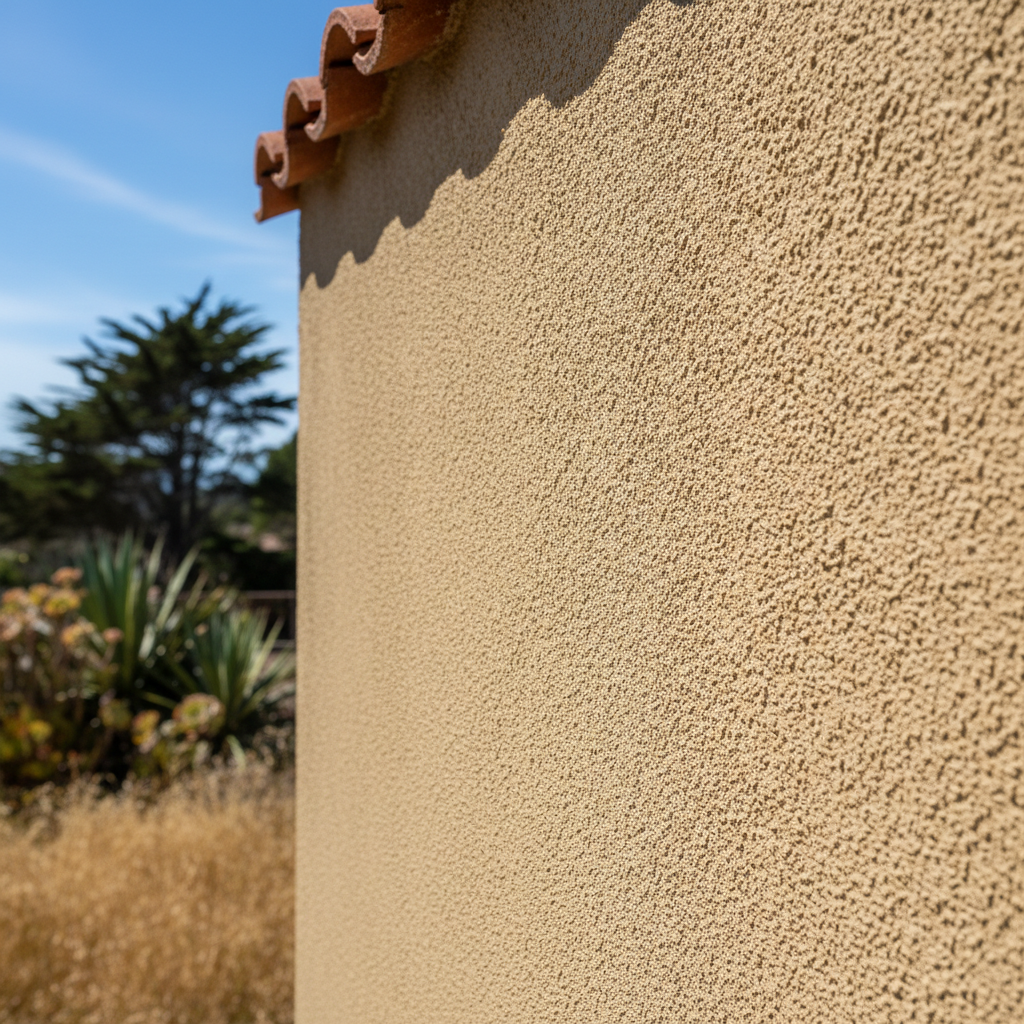
Pacifica Stucco Painting FAQs: What Homeowners Really Need to Know
So, you're thinking about painting your stucco, and you've got questions. Good. Because there's a lot more to painting stucco right than just slapping on a new color. Here in Pacifica, with our coastal weather and unique homes, you really need to understand what you're getting into. I get asked the same things all the time, so I figured I'd lay out the most common questions and give you my honest take.
Do I need to clean my stucco before painting? How?
Absolutely, you do. This isn't just an option; it's critical. If you paint over dirt, mildew, or loose bits, your new paint job won't stick properly, and it'll fail a lot faster than it should. For most homes, a good pressure wash is the way to go. You'll want to use a wide fan tip and keep the pressure moderate – around 1500-2000 PSI is usually plenty, honestly. Too much pressure, and you can actually damage the stucco, especially if it's older or already a bit compromised. For areas with stubborn mildew, which we see a lot of on the north-facing walls here in Pacifica, particularly in places like Sharp Park, you might need a mild bleach solution (about 1 part bleach to 3 parts water) or a dedicated mildew remover. Spray it on, let it sit for 15-20 minutes, then rinse thoroughly. Make sure the stucco is completely dry, and I mean bone dry, before you even think about picking up a paint roller. That usually means waiting at least 24-48 hours, depending on the humidity.
What kind of paint is best for stucco?
This is a big one. You can't just use any old house paint on stucco. You need something that breathes, flexes, and resists moisture. My go-to is usually a high-quality acrylic latex paint made specifically for masonry or stucco. These paints are formulated to expand and contract with the stucco, which helps prevent cracking. They also let moisture vapor escape from inside the wall, which is crucial for stopping issues like efflorescence or trapped moisture that can lead to stucco failure. Don't cheap out here. A cheaper paint might save you a few bucks upfront, but it'll cost you a lot more down the road when you're repainting in five years instead of fifteen. Some newer elastomeric paints offer even more flexibility and waterproofing, but they can be thicker and sometimes need specific application techniques. Always check the manufacturer's recommendations for stucco application.
Should I prime stucco before painting?
Yes, absolutely. Priming is another one of those non-negotiable steps. A good primer does a few things: it creates a uniform surface for the paint to stick to, it helps seal the stucco (especially if it's porous), and it can block stains from bleeding through your new topcoat. If you're going from a dark color to a light one, a tinted primer can also help with coverage, meaning you might need fewer finish coats. For bare stucco, or stucco that's never been painted, you'll definitely need a high-quality acrylic masonry primer. If you're just repainting over an existing, sound paint job, you might be able to get away with a self-priming paint, but I still lean towards a dedicated primer for the best, longest-lasting results. It's an extra step, but it's an investment in the longevity of your paint job.
How many coats of paint does stucco need?
Generally, you're looking at two coats of paint over a properly primed surface. One coat usually won't give you the full color depth or the protective qualities you need. The first coat gets absorbed a bit by the stucco's texture, and the second coat builds on that, providing a more uniform finish and better durability. If you're making a drastic color change – say, from a deep red to a light beige – you might even need a third coat, especially if you didn't use a tinted primer. It really depends on the paint's hiding power and the original color. Don't try to rush it; let each coat dry thoroughly according to the manufacturer's instructions before applying the next. Rushing can lead to uneven drying, peeling, and a generally poor finish.
How long does stucco paint last in Pacifica?
This is tough to give an exact number because it depends on so many factors: the quality of the paint, the quality of the prep work, how exposed your home is, and even the color you choose. Darker colors tend to fade faster in direct sunlight. But generally, if you do everything right – good prep, quality materials, proper application – you can expect a good stucco paint job to last anywhere from 10 to 15 years, sometimes even longer. Here on the coast, with the salt air and occasional fog, things can be a bit harder on exterior finishes. That's why the prep and the right type of paint are even more important. When you see paint starting to chalk, fade significantly, or show signs of peeling, that's usually your cue that it's time to start thinking about repainting.
Can I change the texture of my stucco with paint?
Not really, no. Paint is meant to color and protect the surface it's applied to, not to change its physical texture. If you have a smooth stucco finish, painting it won't make it look like a Santa Barbara finish. If you have a heavy dash, paint will just color that heavy dash. There are some very thick, high-build elastomeric coatings that can slightly bridge very fine hairline cracks, making the surface appear a tiny bit smoother, but they won't fundamentally alter the texture. If you want to change the texture of your stucco, you're talking about a much bigger project, like skim-coating with new stucco material or even re-stuccoing. Don't expect paint to be a shortcut for a texture change; it's just not what it's designed for.
What about painting over damaged stucco?
This is a big no-no. Painting over damaged stucco is like putting a band-aid on a broken leg. It might look okay for a minute, but it's not fixing the underlying problem, and it's going to fail. Any cracks, holes, or areas of delaminated stucco need to be properly repaired *before* you even think about painting. If you paint over cracks, they'll just reappear, often worse, as the house settles or the weather changes. If you paint over loose stucco, the paint will just peel off along with the failing stucco underneath. You need a solid, stable surface for the paint to stick to. At Majestic Stucco Inc., we always emphasize fixing the foundation of the problem first. Paint is the finishing touch, not the repair solution.
When is the best time of year to paint stucco in Pacifica?
This is a tricky one for us. You need consistent dry weather, moderate temperatures, and low humidity for paint to cure properly. That usually means late spring, summer, or early fall are your best bets. Our summers here are often foggy, especially in the mornings, which can delay drying times. You want to avoid painting when it's too hot (above 90°F) or too cold (below 50°F), as extreme temperatures can affect how the paint dries and adheres. You also need to watch out for rain. Painting right before a rainstorm is a recipe for disaster. So, while summer seems like the obvious choice, you've got to be mindful of those foggy mornings and make sure you're painting during a stretch of clear, mild days. Sometimes, a sunny week in September or October can be absolutely perfect.